banner1

Featured Products

New Products

News

  • Is a 6 Color Flexo Printing Machine Worth the Investment for Small Printing Businesses

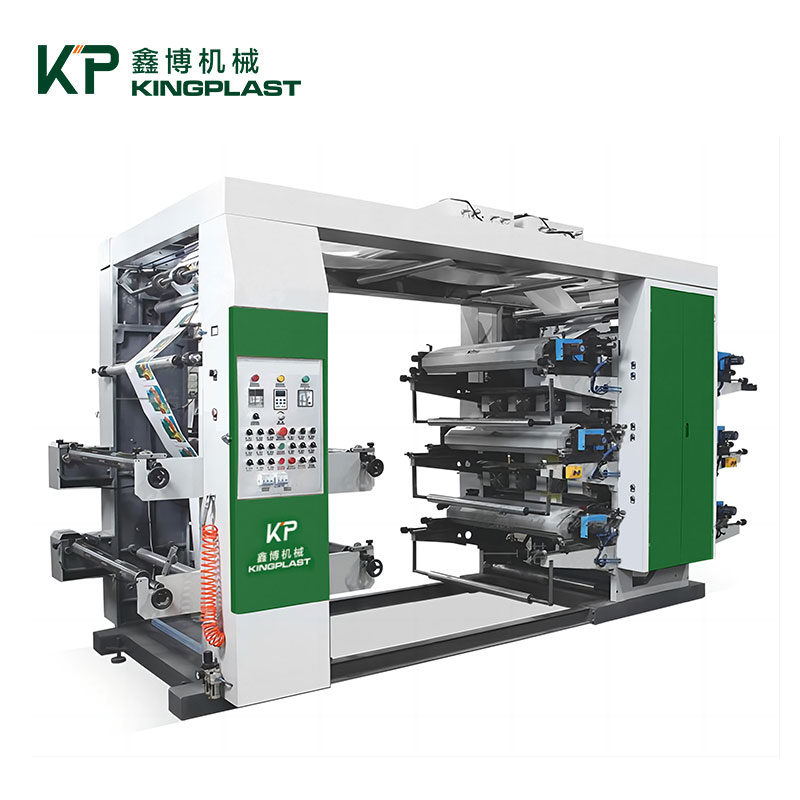
    For small printing businesses looking to expand their capabilities and profitability, the decision to invest in a 6 Color Flexo Printing Machine is significant. KINGPLAST has helped numerous small and medium-sized printers evaluate this exact question, and the answer depends on your production goals, substrate mix, and growth strategy. This article breaks down the real costs, benefits, and ROI factors so you can make an informed decision.

  • Is Spiral Bound Printing Better Than Comb Binding for Workbooks

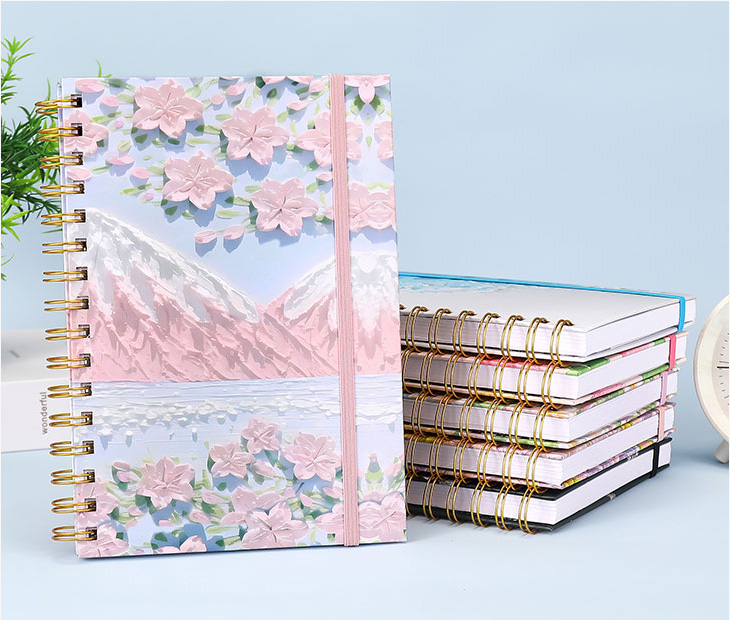
    When choosing the right binding method for workbooks, training manuals, and study guides, Spiral Bound Printing and comb binding are two of the most common options considered by publishers, educators, and businesses. At Aiyide, we have produced thousands of workbooks using both methods, and the choice often comes down to how the book will be used, how often it will be opened flat, and how long it needs to last. This guide breaks down the differences in durability, cost, appearance, and functionality so you can decide which binding style fits your project best.

  • Why Are Packaging Labels the First Touchpoint Between Brands and Consumers?

    A strategic guide for brand managers on how packaging labels drive consumer decisions in the first 3 seconds of shelf exposure. Covers visibility, compliance, material selection, and print quality.

  • How Does a Rotogravure Printing Machine Improve High-Volume Printing?

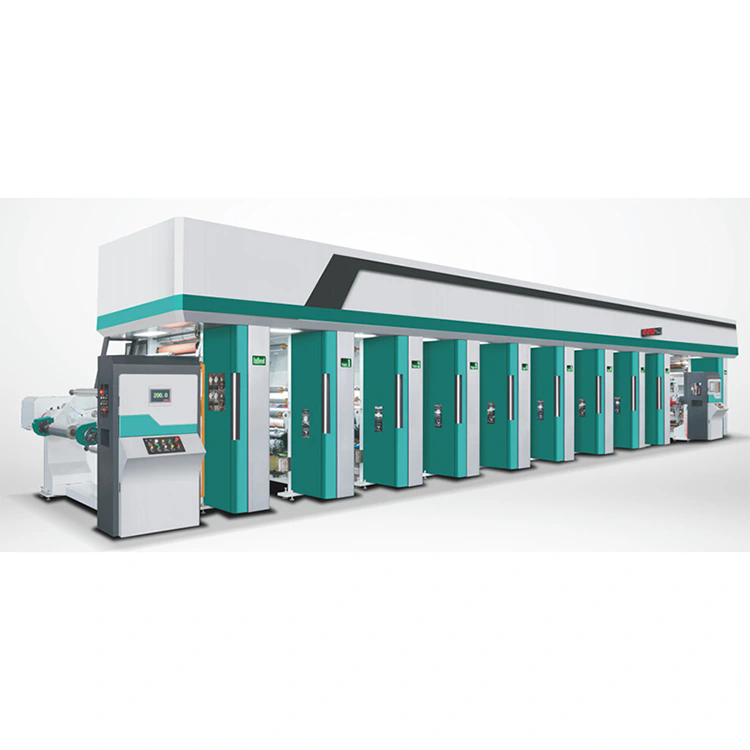
    A rotogravure printing machine is designed for manufacturers that need high-quality, repeatable printing at industrial production volumes. By using engraved cylinders, controlled ink transfer, precision web handling, and continuous drying, the process can deliver strong color density, fine image detail, and consistent results over long production runs. This article explains how the machine works, which components influence print quality, what materials it can process, how to reduce common production problems, and what buyers should evaluate before investing in a rotogravure printing machine.

  • How Can You Test Adhesive Durability for Beverage Labels in Cold-Chain Logistics

    For any brand using Beverage Labels in refrigerated or frozen supply chains, adhesive failure is a silent profit killer. Peeling edges, wrinkled faces, and labels that slide off glass or plastic containers erode consumer trust and block barcode scans at checkout. Smart Printing has worked with dozens of beverage producers to validate label performance under real cold-chain conditions, and the testing process is more science than guesswork.

  • Can Cardboard Gift Boxes for Leather Belts Be Customized with Logos Without Increasing Costs Too Much

    For luxury accessory brands, footwear labels, and direct-to-consumer leather goods startups, the packaging is never just a box. It is the first tangible handshake with the customer. When the product is a premium leather belt, the unboxing experience directly influences perceived value, repeat purchases, and social media visibility. This is where Cardboard Gift Boxes for Leather Belts become a strategic asset. The central question that procurement managers and brand owners repeatedly ask is whether they can stamp their identity onto these boxes without blowing their budget.

  • Can You Use Thermal Transfer Labels in Freezer or Cold Storage Environments

    Thermal Transfer Labels are uniquely suited for sub-zero environments, provided that the label stock, adhesive, and ribbon are matched to the application. At GH, we have tested thousands of label combinations across temperatures ranging from -80°C to +50°C, and the data shows that thermal transfer technology consistently outperforms direct thermal printing in cold chains.

  • Can an Automatic Flat-bed Die Cutting Machine Handle Both Kiss-Cutting and Through-Cutting on the Same Run

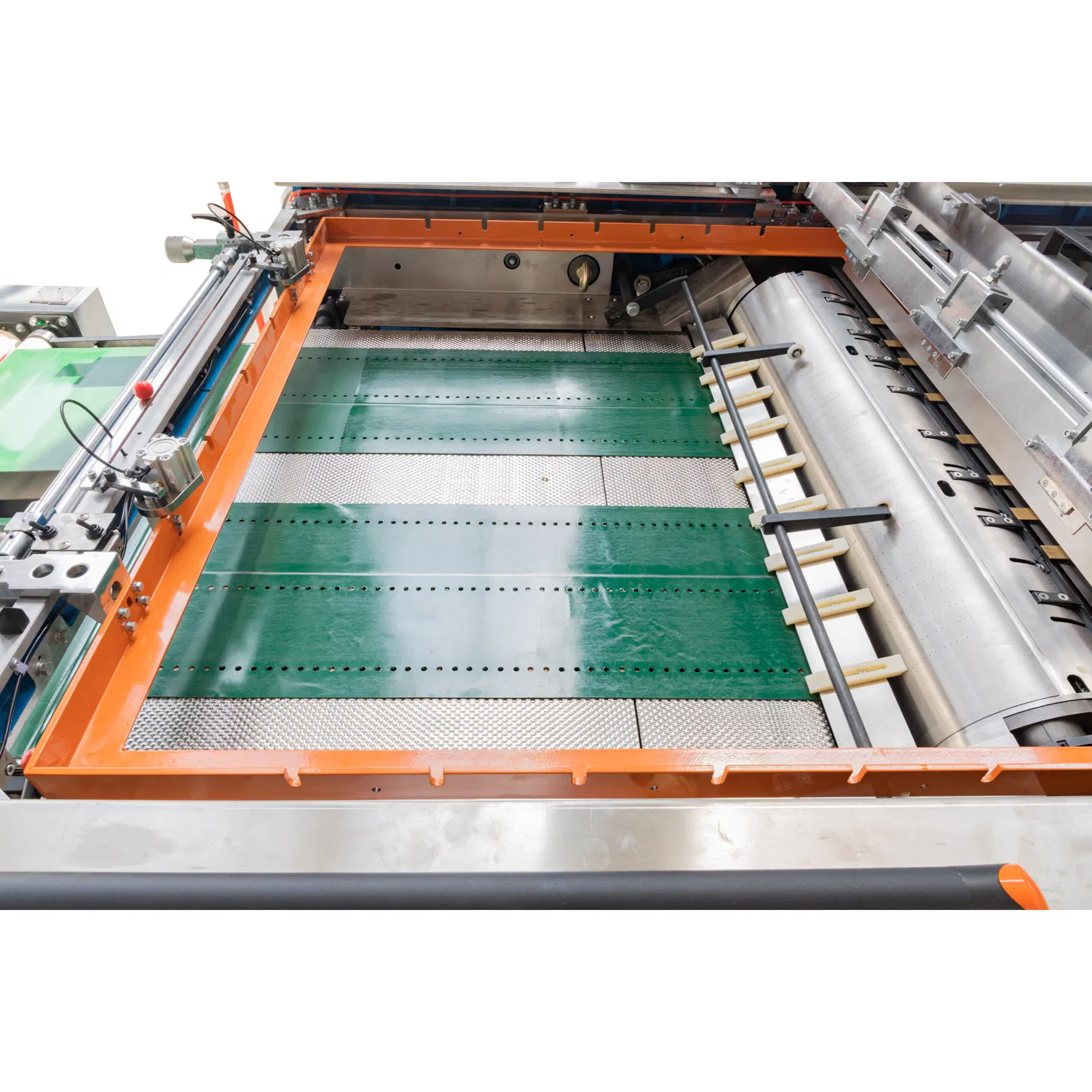
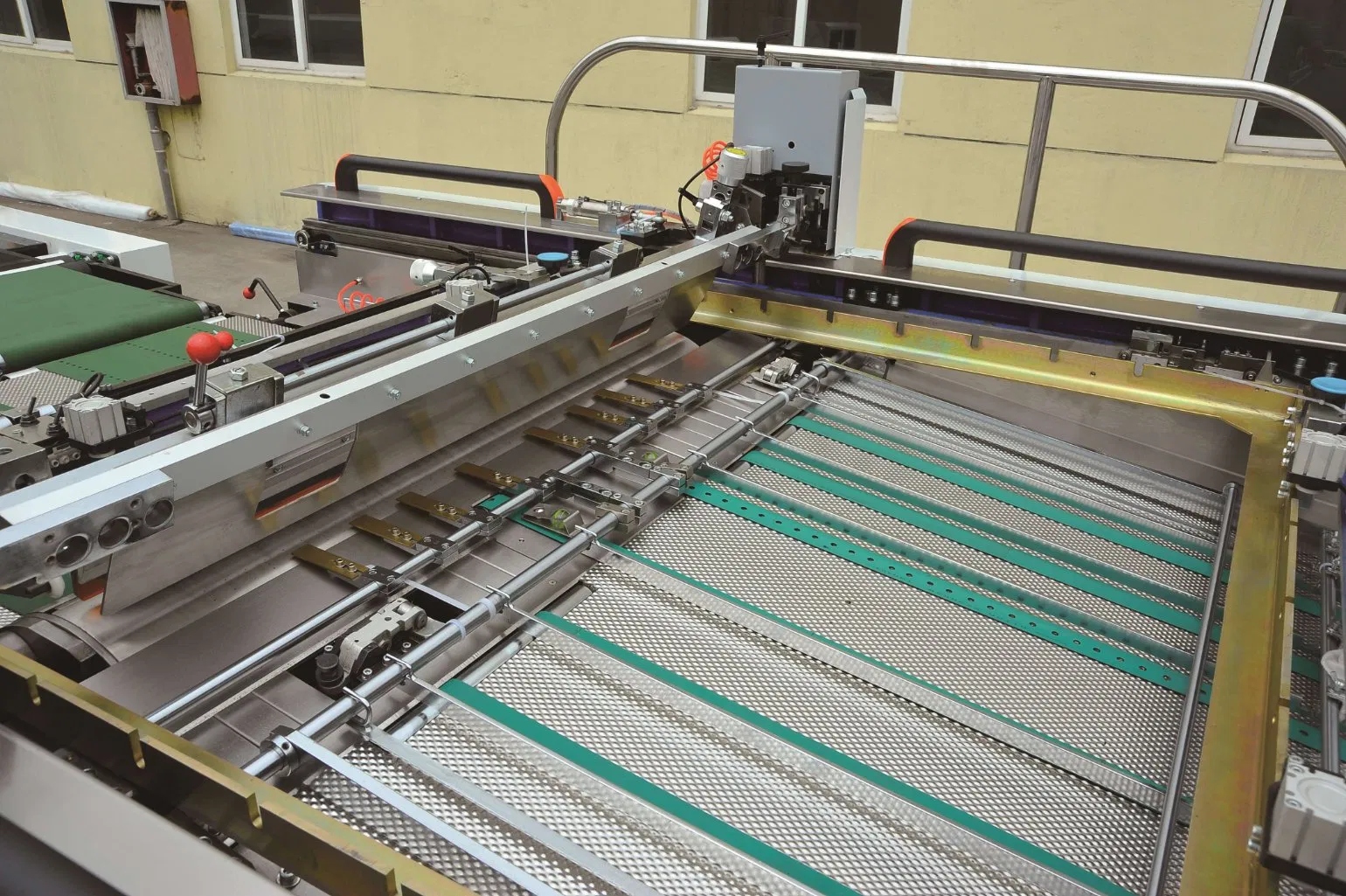
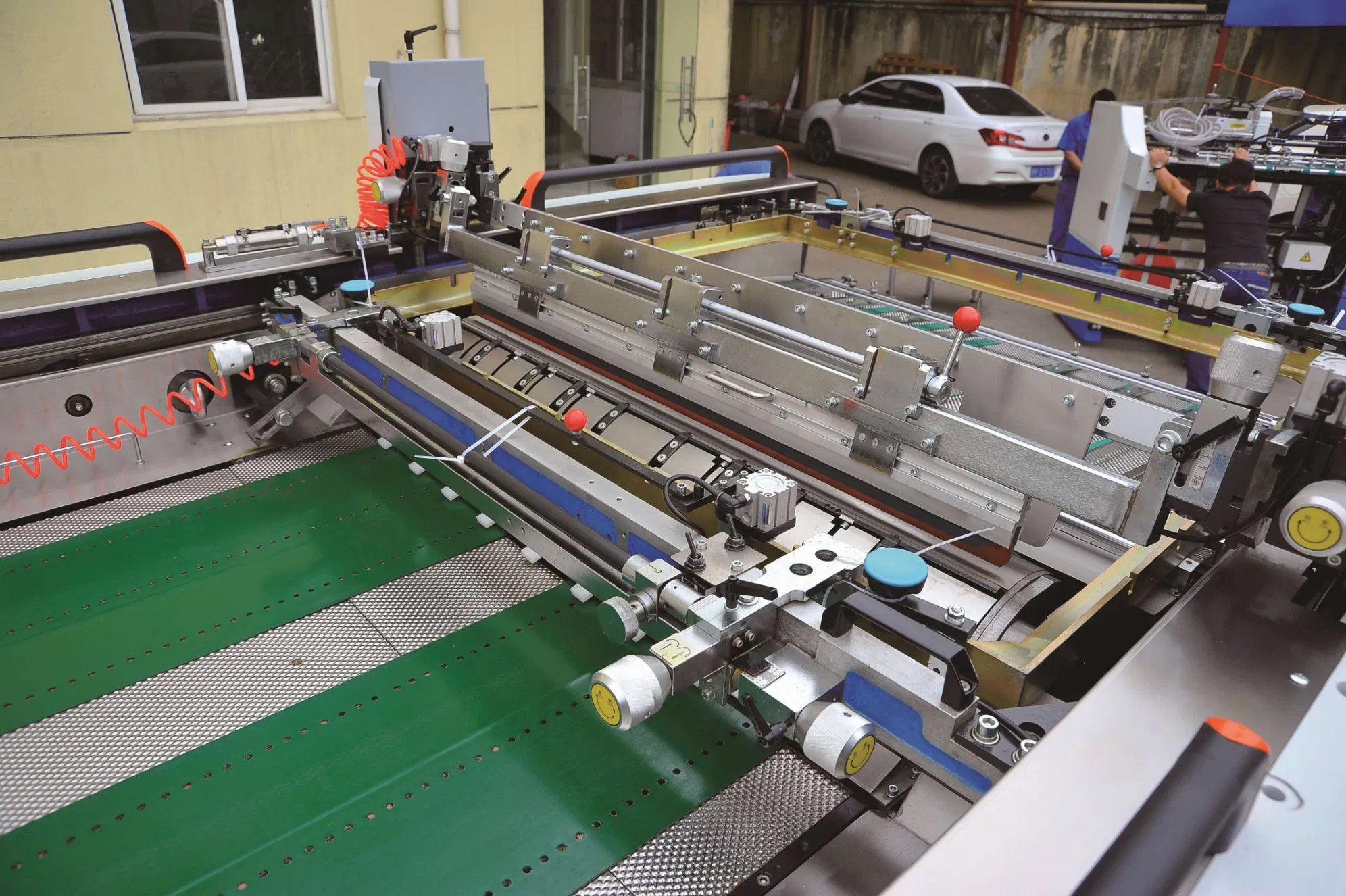
    For packaging converters and label printers, the question often arises when evaluating new equipment: is it truly possible to perform two fundamentally different cutting actions—kiss-cutting and through-cutting—in a single pass on the same Automatic Flat-bed Die Cutting Machine? The short answer is yes, but the execution depends heavily on tooling design, machine configuration, and material characteristics. At NEW STAR, we have engineered our flat-bed die cutting systems to support this hybrid capability, yet many operators remain uncertain about the practical limits and setup requirements.

Leave Your Message

  • Click Refresh verification code