

How Is the Sketch Book–Spiral Book Shaping Everyday Creative Workflows?
2025-12-16
A Sketch Book–Spiral Book is a foundational tool for artists, designers, students, architects, and creative professionals who rely on flexibility, durability, and ease of use in daily visual thinking. Distinguished by its spiral binding, this format allows pages to lie completely flat or fold back 360 degrees, supporting uninterrupted sketching, drafting, note-making, and ideation across multiple environments.
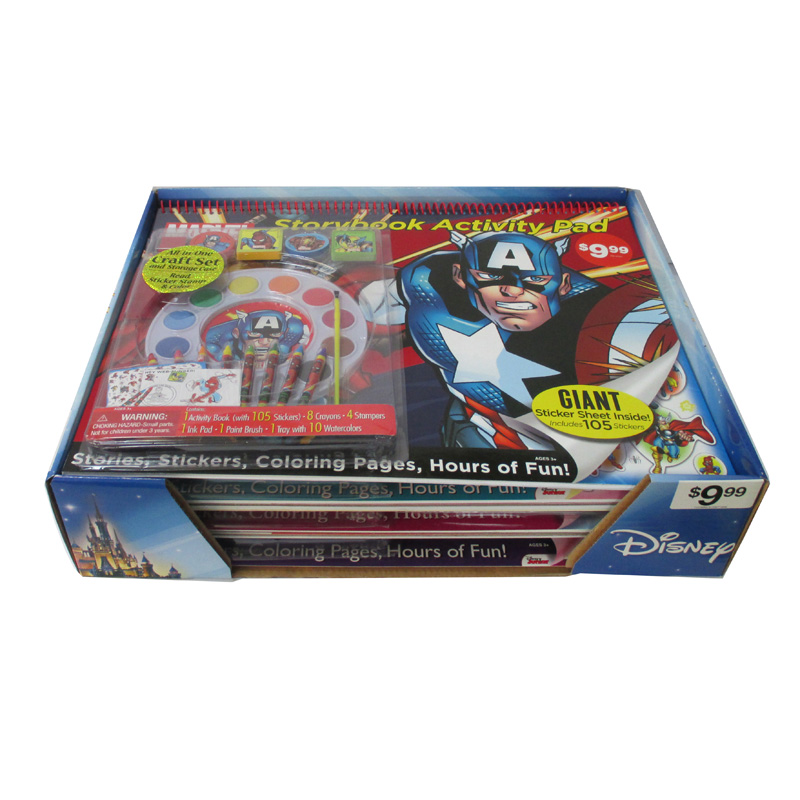
The central purpose of the Sketch Book–Spiral Book is to provide a reliable surface for freehand drawing and structured visual exploration while accommodating diverse media, including pencil, charcoal, ink, colored pencils, markers, and light watercolor. Unlike rigidly bound sketchbooks, the spiral structure enhances mobility and usability, making it suitable for studio work, classrooms, travel, and on-site field observation.
Technical Specifications and Structural Parameters
The performance of a Sketch Book–Spiral Book is directly determined by its physical parameters. Each component—from paper weight to binding material—plays a functional role in ensuring consistent output and longevity.
Key Product Parameters
| Parameter | Specification Range | Practical Implication |
|---|---|---|
| Paper Weight | 100–180 gsm | Supports dry and light wet media without bleed-through |
| Paper Texture | Smooth / Medium Tooth | Adapts to fine line work or expressive shading |
| Binding Type | Double-wire metal spiral | Enables 360-degree folding and page stability |
| Cover Material | Hardboard / Polypropylene | Protects pages during transport and storage |
| Page Count | 40–120 sheets | Balances portability with project continuity |
| Size Options | A3, A4, A5, Custom | Accommodates professional and personal workflows |
| Paper Color | Bright white / Natural ivory | Enhances contrast or reduces eye strain |
Paper composition is typically acid-free to ensure archival quality, preventing yellowing and degradation over time. This characteristic is particularly relevant for artists preserving original work or designers maintaining concept archives.
Spiral binding is commonly manufactured from corrosion-resistant metal wire, designed to withstand repeated opening and closing cycles without deformation. Compared with glued or stitched bindings, spiral structures reduce stress on the paper edge, extending overall product lifespan.
Cover rigidity varies depending on intended usage. Hardboard-backed designs provide a stable drawing surface without external support, while lightweight polymer covers improve moisture resistance for outdoor or travel-based use.
How Does the Sketch Book–Spiral Book Improve Creative Efficiency?
The defining advantage of the Sketch Book–Spiral Book lies in its ability to adapt to changing creative contexts. Its structure directly supports efficiency by reducing physical constraints during the creative process.
Workflow Adaptability
A spiral-bound format allows users to work across a single page or a continuous sequence without interference from binding tension. Pages remain flat, enabling precise control over line consistency and pressure sensitivity—an essential factor for technical drawing, illustration, and calligraphy.
The option to fold pages completely behind the back cover reduces the working footprint, which is particularly valuable in confined environments such as classrooms, workshops, or outdoor locations.
Media Compatibility
Paper weight and surface treatment determine how different media behave. Medium-tooth paper balances graphite adhesion and ink flow, while heavier weights mitigate marker ghosting and minor watercolor wash distortion. This versatility reduces the need for multiple sketchbooks, streamlining material selection.
Organizational Clarity
Spiral sketchbooks support sequential ideation. Concepts can be developed page by page without disruption, allowing users to track creative evolution logically. This format is widely used in design education and professional studios where documentation is as important as output.
Common Questions About Sketch Book–Spiral Book
Q: How does spiral binding affect long-term durability compared to perfect binding?
A: Spiral binding distributes mechanical stress evenly across individual wire loops rather than concentrating it along a glued spine. This significantly reduces page detachment and structural failure during repeated use, making it more suitable for daily handling and transport.
Q: Is thicker paper always better for a Sketch Book–Spiral Book?
A: Thicker paper improves resistance to bleed-through and warping, but it also increases overall weight and reduces page count for a given thickness. Optimal paper weight depends on the primary media used and portability requirements rather than maximum thickness alone.
How Is the Sketch Book–Spiral Book Evolving With Future Creative Trends?
While the Sketch Book–Spiral Book remains a traditional analog tool, it continues to evolve alongside changing creative behaviors and industry expectations.
Integration With Hybrid Workflows
As digital and analog processes increasingly coexist, sketchbooks are often used as the first stage of ideation before concepts are digitized. Standardized page sizes and consistent paper tone facilitate scanning and digital archiving, improving compatibility with design software workflows.
Sustainability and Material Innovation
Environmental considerations are influencing paper sourcing, with greater emphasis on responsibly managed forestry, recycled fibers, and low-impact bleaching processes. Metal spiral components are increasingly designed for recyclability without compromising structural integrity.
Customization and Niche Applications
Demand is rising for sketchbooks tailored to specific disciplines, such as storyboard planning, architectural sketching, fashion illustration, and product design. Variations in paper ruling, margin spacing, and format dimensions reflect this specialization trend.
Despite technological advances, the Sketch Book–Spiral Book remains relevant because it supports cognitive freedom and tactile feedback that digital interfaces cannot fully replicate. Its continued refinement demonstrates that even mature product categories can adapt to future creative demands.
Closing Perspective and Brand Introduction
The Sketch Book–Spiral Book continues to serve as a dependable platform for visual thinking, bridging foundational craftsmanship and evolving creative practices. Precision in materials, thoughtful structural design, and adaptability across disciplines define its ongoing relevance in education, professional studios, and personal creative exploration.
Starlight approaches the Sketch Book–Spiral Book with a focus on material consistency, functional reliability, and production standards aligned with long-term use. Each product is developed to support structured creativity while maintaining flexibility across diverse applications.
For specifications, customization options, or detailed product inquiries, contact us to discuss how Starlight can support your creative and commercial requirements with dependable sketchbook solutions.