

How Stack Flexo Printer Improves Printing Efficiency and Quality
2026-03-31
Abstract
Stack flexo printers have become a preferred solution for businesses seeking high-efficiency, cost-effective, and versatile printing. This article provides a comprehensive breakdown of how a stack flexo printer works, why it is advantageous, and how it solves common printing challenges such as inconsistent quality, slow production speed, and high operational costs. Whether you are in packaging, labeling, or flexible materials printing, this guide will help you understand how to maximize your investment.
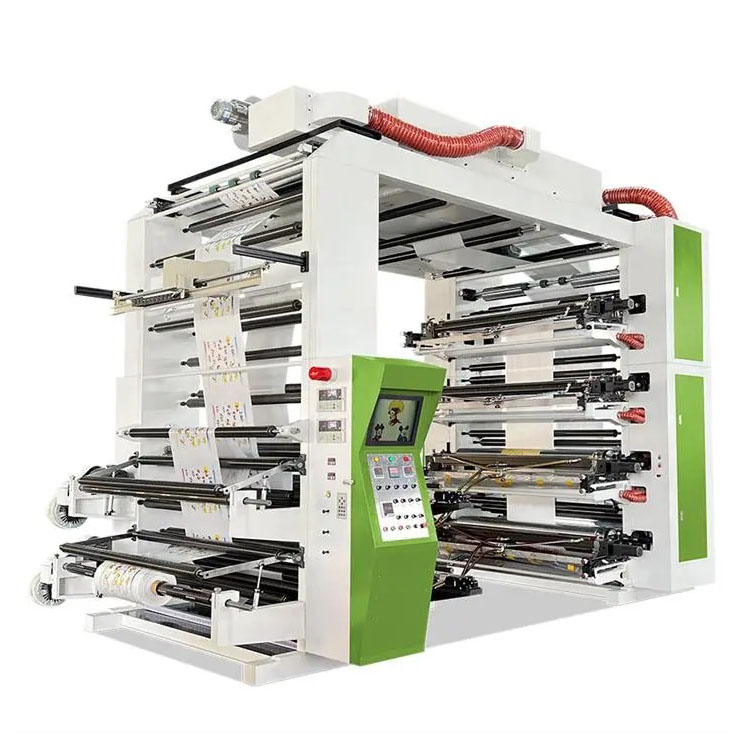
Table of Contents
- 1. What Is a Stack Flexo Printer
- 2. How a Stack Flexo Printer Works
- 3. Key Benefits of Stack Flexo Printing
- 4. Common Customer Pain Points Solved
- 5. Stack Flexo vs Other Printing Technologies
- 6. Typical Applications
- 7. How to Choose the Right Stack Flexo Printer
- 8. Maintenance and Operational Tips
- 9. Frequently Asked Questions
1. What Is a Stack Flexo Printer
A stack flexo printer is a type of flexographic printing machine where multiple printing units are arranged vertically (stacked) on top of each other. Each unit applies a different color, allowing multi-color printing in a compact structure.
Unlike inline or CI (central impression) machines, stack flexo printers provide greater flexibility in printing on both sides of the substrate and handling various materials such as paper, plastic films, and non-woven fabrics.
2. How a Stack Flexo Printer Works
Understanding the working principle helps businesses optimize performance and reduce downtime.
- Step 1: Material Feeding – The substrate (film, paper, or foil) is fed into the machine.
- Step 2: Ink Transfer – Anilox rollers transfer a precise amount of ink to the printing plate.
- Step 3: Plate Printing – Flexible plates apply the image onto the material.
- Step 4: Drying Process – Each color station includes a drying system to prevent smudging.
- Step 5: Rewinding – The printed material is collected efficiently.
Because each unit operates independently, operators can adjust colors and pressure individually, which improves print accuracy.
3. Key Benefits of Stack Flexo Printing
| Feature | Advantage |
|---|---|
| Vertical Design | Saves floor space and allows flexible configuration |
| Multi-Color Capability | Supports high-quality color printing |
| Material Flexibility | Compatible with various substrates |
| Cost Efficiency | Lower operational and maintenance costs |
| Dual-Side Printing | Prints both sides without complex adjustments |
These advantages make stack flexo printers especially suitable for medium-scale production environments.
4. Common Customer Pain Points Solved
1. Inconsistent Print Quality
Stack flexo printers allow independent control of each unit, ensuring consistent ink distribution and precise registration.
2. High Production Costs
Compared to other printing technologies, stack flexo machines use less ink and require fewer complex components, reducing long-term expenses.
3. Limited Material Compatibility
These machines handle a wide range of materials, solving compatibility issues for businesses with diverse product lines.
4. Space Constraints
The vertical stacking design minimizes the footprint, making it ideal for factories with limited space.
5. Difficult Maintenance
Simple mechanical structures make maintenance easier and reduce downtime.
5. Stack Flexo vs Other Printing Technologies
| Aspect | Stack Flexo | CI Flexo | Gravure Printing |
|---|---|---|---|
| Cost | Moderate | Higher | Very High |
| Flexibility | High | Medium | Low |
| Print Quality | Good | Excellent | Excellent |
| Setup Time | Short | Medium | Long |
| Best Use | Versatile jobs | High precision jobs | Large volume runs |
For many businesses, stack flexo printers provide the best balance between cost and performance.
6. Typical Applications
- Flexible packaging (plastic films, bags)
- Paper printing (kraft paper, cartons)
- Non-woven fabric printing
- Label production
- Food packaging materials
Companies like HuiPeng have developed advanced stack flexo printers tailored to these industries, offering reliability and scalability.
7. How to Choose the Right Stack Flexo Printer
Selecting the right machine requires evaluating multiple technical factors:
- Number of Colors – Choose based on your design complexity.
- Printing Width – Match your product size requirements.
- Drying System – Ensure compatibility with your ink type.
- Automation Level – Higher automation reduces labor costs.
- After-Sales Support – Reliable service ensures long-term performance.
A well-chosen machine not only improves output but also reduces operational risk.
8. Maintenance and Operational Tips
- Regularly clean anilox rollers to maintain ink consistency
- Inspect printing plates for wear and damage
- Monitor tension control systems
- Calibrate color registration frequently
- Schedule preventive maintenance checks
Proper maintenance ensures stable performance and extends machine lifespan.
9. Frequently Asked Questions
Q1: Is a stack flexo printer suitable for small businesses?
Yes, its cost-effectiveness and flexibility make it ideal for small to medium enterprises.
Q2: Can it handle multiple materials?
Absolutely. Stack flexo printers are designed to work with paper, plastic, and more.
Q3: How many colors can it print?
Typically 2 to 8 colors, depending on the machine configuration.
Q4: What is the maintenance difficulty?
Maintenance is relatively simple due to its modular structure.
Q5: How does it compare in energy consumption?
It is generally more energy-efficient than gravure printing systems.
Conclusion
A stack flexo printer is a powerful and versatile solution for modern printing needs. Its balance of efficiency, flexibility, and cost-effectiveness makes it an excellent investment for businesses aiming to improve productivity and product quality. With the right configuration and maintenance strategy, it can significantly enhance operational performance.
If you are looking for a reliable and high-performance solution, HuiPeng offers advanced stack flexo printers designed to meet diverse industrial requirements.
Ready to upgrade your printing capabilities? Contact us today to find the perfect solution tailored to your business needs.