

Is Spiral Bound Printing Better Than Comb Binding for Workbooks
2026-09-10
When choosing the right binding method for workbooks, training manuals, and study guides, Spiral Bound Printing and comb binding are two of the most common options considered by publishers, educators, and businesses. At Aiyide, we have produced thousands of workbooks using both methods, and the choice often comes down to how the book will be used, how often it will be opened flat, and how long it needs to last. This guide breaks down the differences in durability, cost, appearance, and functionality so you can decide which binding style fits your project best.
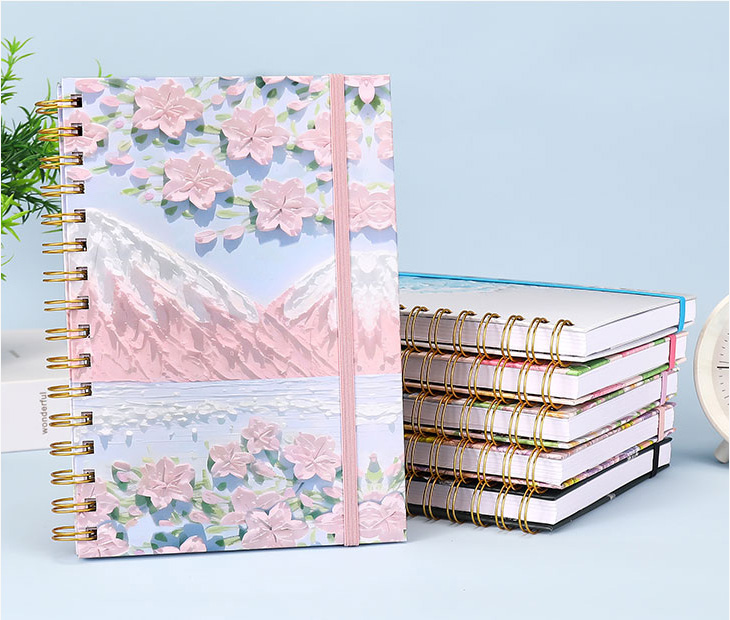
Quick Comparison: Spiral Bound Printing vs. Comb Binding
| Feature | Spiral Bound Printing | Comb Binding |
|---|---|---|
| Binding element | Continuous wire or plastic coil | Plastic comb with curved teeth |
| Flat-lay ability | Lays completely flat, 360° fold | Lays flat but cannot fold back fully |
| Durability | High, especially with wire coil | Moderate, teeth can crack or snag |
| Page count range | 10–500+ pages | 10–450 pages |
| Professional look | Clean, modern, premium | Functional, office-style |
| Cost | Slightly higher | Lower |
| Best for | Workbooks, manuals, cookbooks | Internal documents, reports |
Why Spiral Bound Printing Often Wins for Workbooks
Workbooks are designed to be written in, flipped through repeatedly, and folded back for easy one-handed use. Spiral Bound Printing excels in all three areas.
-
360-degree fold-back: The coil allows the cover and pages to fold completely behind the book, which is ideal for tight desks or clipboards.
-
True flat-lay: Pages stay open without pressure, making writing and reading more comfortable.
-
Durability: Wire coil resists crushing and holds up better in backpacks and briefcases.
-
Page security: Pages can be added or removed with the right equipment, which is useful for updated training materials.
Comb binding, by contrast, uses a plastic spine that can crack under stress and does not fold back as cleanly.
When Comb Binding Still Makes Sense
Comb binding is not without advantages. It is generally more affordable, works well for internal documents, and allows easy page replacement. For short-run, low-budget workbooks that stay on a shelf, comb binding can be a practical choice. However, for anything that will be handled frequently or needs a polished, professional feel, Spiral Bound Printing from Aiyide is usually the stronger investment.
Cost and Turnaround Considerations
-
Spiral Bound Printing costs slightly more per unit due to the coil and punch process, but the durability often reduces replacement costs.
-
Comb binding has a lower upfront price, which matters for large internal print runs.
-
At Aiyide, both options are available with fast turnaround, and our team helps clients match the binding to the workbook's purpose.
Spiral Bound Printing FAQ
Q: What is Spiral Bound Printing best used for?
A: Spiral Bound Printing is best for workbooks, training manuals, cookbooks, journals, and any document that needs to lay flat or fold back completely. It is especially popular in education and corporate training because pages stay open during writing and reference.
Q: Is Spiral Bound Printing more expensive than comb binding?
A: Yes, Spiral Bound Printing typically costs a bit more than comb binding because of the coil material and the punching process. However, the higher durability and better user experience often make it more cost-effective over the life of the workbook.
Q: Can Spiral Bound Printing handle thick workbooks with hundreds of pages?
A: Absolutely. Spiral Bound Printing can accommodate everything from thin 10-page handouts to 500-page manuals, depending on coil diameter. At Aiyide, we help you select the right coil size so pages turn smoothly without binding or sagging.
Final Recommendation
For workbooks that will be used actively, Spiral Bound Printing is generally the better choice because of its flat-lay design, fold-back capability, and long-term durability. Comb binding remains a solid budget option for internal or short-life documents. If you are unsure which method suits your project, contact us at Aiyide today for a free consultation and quote. Our team will help you choose the right binding, paper, and finish to make your workbook professional and practical.