

Is the IFM OGP101 Compatible with My Existing Automation System
2026-10-29
Integrating a new sensor into a live production line raises practical questions about signal handling, mounting, and communication. The IFM OGP101 is a photoelectric distance sensor that many engineers evaluate for position feedback and presence detection, and Floating Light regularly supports teams assessing whether it fits their current control architecture. Compatibility depends less on brand loyalty and more on electrical interfaces, output behavior, and mechanical constraints.
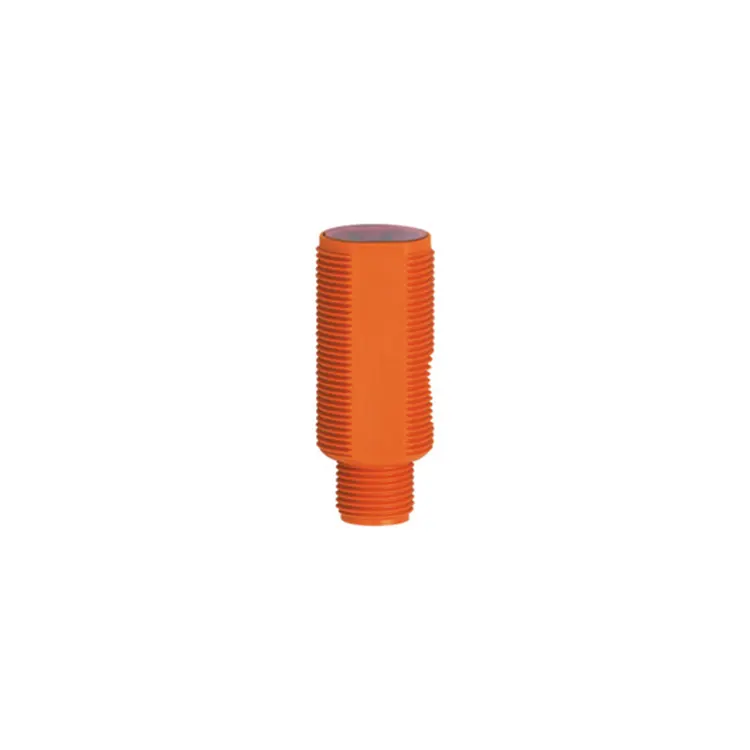
Compatibility Factors to Verify
| Factor | What to Check | Why It Matters |
|---|---|---|
| Supply voltage | 10–30 V DC nominal range | Prevents damage and unstable readings |
| Output type | PNP/NPN, analog or IO-Link variant | Must match PLC input card |
| Sensing range | Working distance vs. application gap | Ensures reliable detection margin |
| Mounting | Thread size and bracket options | Avoids mechanical redesign |
| Environment | IP rating, ambient light, temperature | Affects long-term stability |
Electrical and Signal Integration
The IFM OGP101 typically connects through a standard M12 connector, which simplifies retrofitting where M12 cabling already exists. Confirm whether your PLC input module expects sinking or sourcing signals, and verify the sensor's output configuration before ordering. If your system uses IO-Link, check that the master supports the relevant parameter set; otherwise the sensor can still operate in a conventional switching mode.
Mechanical and Environmental Fit
Mounting compatibility is often the deciding factor. Review thread dimensions, required clearance for the sensing beam, and whether existing brackets can be reused. In areas with strong ambient light or reflective backgrounds, plan for adjustment of sensitivity or shielding. Floating Light recommends a short trial installation before full rollout to confirm repeatability under real conditions.
Commissioning Checklist
-
Verify supply voltage and polarity before power-up.
-
Confirm output signal type matches the PLC input card.
-
Test detection at minimum and maximum working distances.
-
Check response under ambient light and reflective surfaces.
-
Document parameter settings for future maintenance.
Frequently Asked Questions
Q: Can the IFM OGP101 connect directly to a standard PLC input card?
A: Yes, provided the output type matches the card. Confirm whether your unit is PNP or NPN and whether the PLC input is sinking or sourcing, then wire according to the datasheet pin assignment.
Q: Does the IFM OGP101 require IO-Link for basic operation?
A: No. The sensor can operate in conventional switching mode without an IO-Link master; IO-Link is only needed for parameter access and diagnostics.
Q: How do I confirm the IFM OGP101 fits my existing mounting brackets?
A: Compare the sensor thread size and required clearance with your current bracket dimensions, and run a trial fit before committing to a full installation.
Q: What should I check if the IFM OGP101 behaves inconsistently after installation?
A: Review supply voltage stability, output configuration, ambient light interference, and target surface reflectivity, then adjust sensitivity or reposition the sensor as needed.
Contact Us
If you need help confirming whether the IFM OGP101 suits your automation system, Floating Light can review your wiring, mounting, and signal requirements and recommend a practical configuration. Contact Floating Light today to discuss your application and request a compatibility assessment.