

Why Are High-Quality Playing Cards Transforming Modern Entertainment?
2025-11-14
Playing cards have evolved from simple gaming tools into refined, multi-purpose products widely used in family entertainment, professional gaming, cardistry, magic performances, and promotional branding. Modern consumers expect durability, smooth handling, print clarity, and premium design—making product quality a decisive factor.
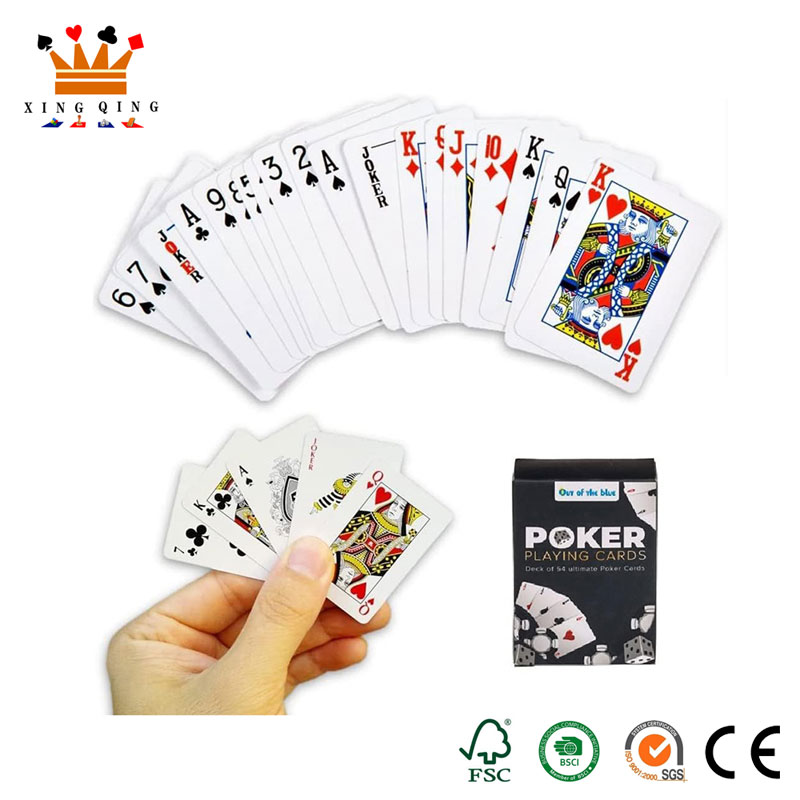
To understand the competitive landscape of playing cards, it is essential to examine their material structure, coating technology, print accuracy, and user-focused features. Below is a concise parameter table that outlines the specifications commonly applied to premium playing cards:
Product Parameters Overview
| Specification Category | Technical Details |
|---|---|
| Material Options | 300–330gsm paper stock, plastic-coated paper, 100% PVC, or PET playing card material |
| Surface Finish | Linen finish, smooth finish, matte coating, glossy coating, water-resistant coating |
| Printing Technology | CMYK offset printing, UV printing, digital printing for small batches |
| Card Size Standards | Poker size 63×88mm, Bridge size 57×88mm, customizable sizes |
| Corner Design | Standard rounded corners (3mm–6mm radius) for safe handling |
| Deck Components | 52 cards + 2 Jokers, optional instruction cards or customization |
| Packaging Options | Paper tuck box, rigid box, magnetic gift box, shrink wrapping |
| Durability Level | 500–2000 shuffle cycles depending on material and coating |
| Application Fields | Games, magic shows, casino use, gifts, branding, education |
These specifications form the foundation of professional-grade playing card manufacturing and demonstrate how the product aligns with diverse usage needs.
Why Do Playing Cards Offer Unique Advantages in Entertainment, Branding, and Professional Use?
The advantages of modern playing cards extend beyond simple gameplay. They serve as multifunctional, versatile, and customizable tools that support a wide variety of environments—from households to competitive tournaments. Understanding these advantages helps illustrate why the demand for premium playing cards continues to grow.
Enhanced Physical Performance
High-quality playing cards are engineered to withstand frequent handling without bending, cracking, or fading. The combination of durable cardstock and protective coatings ensures smooth shuffling, clean fanning, and extended lifespan. This makes them ideal for cardistry and professional entertainment.
Optimized Visual Presentation
High-resolution printing brings clarity to numbers, suits, and illustrations, ensuring readability and aesthetic appeal. Linen finishes create controlled friction for precision handling, while matte or glossy coatings add premium styling for different audiences.
Branding and Promotional Value
Playing cards offer a compact, low-cost medium for corporate promotions, product advertising, and custom campaigns. Companies rely on them for themed events, branded giveaways, and commemorative packaging due to their long-term usability and wide visibility.
Versatility Across Industries
Playing cards are widely used in the following scenarios:
-
Educational card games for children
-
Casino games requiring strict printing and cutting accuracy
-
Magic performances where smooth handling is essential
-
Corporate events and personalized gifts
-
Collectible art decks for hobbyists
Their adaptability plays a major role in sustaining consistent global demand.
User-Friendly Features
Smooth edges, balanced weight distribution, and ergonomic design allow players of all ages to manipulate cards comfortably. Anti-warp and anti-scratch coatings ensure prolonged quality—even in humid environments.
Collectively, these advantages highlight why playing cards remain relevant in both traditional entertainment and emerging cultural trends.
How Do Playing Cards Function Across Different Use Scenarios and What Technical Elements Support Their Performance?
To understand how modern playing cards work in various environments, it is crucial to examine the functional elements behind their design and manufacturing. Their performance is determined by the interactions among materials, finishes, structural stability, and printing accuracy.
Material Engineering for Handling Stability
Paper-based cards use multilayer lamination processes that enhance flexibility and prevent bending. PVC and PET cards, on the other hand, deliver waterproof and tear-resistant properties suitable for outdoor or long-term use.
Coating Technologies That Improve Lifespan
Special coatings serve multiple functions:
-
Protective layer: prevents ink abrasion and surface damage
-
Friction control: ensures consistent card movement in shuffling and fanning
-
Water and sweat resistance: prevents warping and discoloration
These coatings allow the cards to maintain their original look and feel even after extensive use.
Precision Printing and Cutting
High-accuracy print registration ensures suit symbols appear sharp and correctly aligned. Precision cutting prevents rough edges that could interfere with smooth card handling. Casinos, magicians, and cardists rely heavily on this consistency.
User-Oriented Functional Features
Playing cards serve diverse functional needs:
-
Gaming: balanced flexibility supports easy shuffling
-
Magic: predictable friction and controlled stiffness enhance sleights
-
Cardistry: symmetrical cuts and lightweight structure aid visual flourishes
-
Education: large symbols and durable material support classroom use
-
Branding: customizable backs and packaging create strong promotional impact
Each function is supported by specific material and design decisions.
How Playing Cards Contribute to Professional Settings
Casinos require cards with exacting standards for opacity, size uniformity, and anti-cheat technologies such as marked-card resistance. Magic professionals prefer softer stocks and specific finishes to optimize sleight-of-hand performance. Corporate clients value high print accuracy and premium packaging to enhance brand messaging.
These functional elements demonstrate how playing cards remain essential tools across modern industries.
What Future Trends Will Shape the Development of Playing Cards and How Will Businesses Adapt?
The evolution of playing cards reflects broader shifts in consumer preferences, manufacturing technology, and digital-physical integration. Several key trends are expected to influence the direction of the playing card industry.
Increased Demand for Customization
Personalized decks—featuring custom artwork, company branding, or unique theming—are becoming increasingly popular. Businesses use them as promotional tools, while collectors value limited-edition designs with artistic expression. Custom card projects are expected to grow as printing technology becomes more accessible.
Eco-Friendly Materials and Sustainable Packaging
Environmental awareness is encouraging manufacturers to adopt renewable paper stock, soy-based inks, biodegradable coatings, and recyclable packaging. Eco-focused products appeal to modern consumers and strengthen brand reputation.
Enhanced Durability Through Material Innovation
Next-generation PVC materials and hybrid cardstocks offer even higher resistance to bending, moisture, and surface wear. These innovations cater especially to casinos, outdoor activity decks, and educational products.
Integration of Artistic and Cultural Elements
Designers increasingly incorporate regional cultural patterns, modern illustrations, and minimalist aesthetics into card art. This trend supports the growing market for collectible and boutique decks.
Technological Improvements in Production
Advancements such as laser-precision cutting, anti-fade UV coatings, and digital printing for small custom batches will make premium cards more consistent, affordable, and widely available.
Expanding Use in Marketing and Corporate Branding
Companies are adopting playing cards as interactive marketing assets. High-quality, custom-designed playing cards offer long-term brand exposure and deliver higher engagement compared with traditional promotional materials.
These trends indicate a strong future for the playing card industry, both in consumer markets and professional applications.
Common FAQs About Playing Cards
Q1: How long can premium playing cards typically last with frequent use?
A1: The lifespan depends on the material and coating used. Paper cards with protective coatings generally withstand 500–1000 shuffle cycles, while PVC cards can endure over 2000 cycles. Proper storage, low humidity, and gentle handling significantly extend durability.
Q2: What is the difference between poker-size and bridge-size playing cards?
A2: Poker-size cards (63×88mm) are wider and commonly used for most card games involving multiple players. Bridge-size cards (57×88mm) are narrower, making them easier to hold, especially in games requiring large hands. Both sizes support similar printing and finish options, and the choice depends mainly on user preference or gameplay requirements.
Playing cards continue to evolve as versatile, high-utility products that serve gaming, entertainment, magic performances, education, and branding. With advanced materials, refined printing technology, and growing customization trends, their appeal remains strong across global markets. As businesses and consumers seek durable, visually appealing, and multifunctional products, playing cards stand out as a timeless yet continually improving choice.
For companies seeking premium quality, customization options, and reliable production standards, Xingqing provides professional solutions tailored to both large-scale and specialized needs.
For inquiries or custom project discussions, contact us to explore the best playing card solutions for your business.