

Why Are More Print Businesses Choosing an Automatic Laminating Machine to Improve Efficiency?
2026-03-16
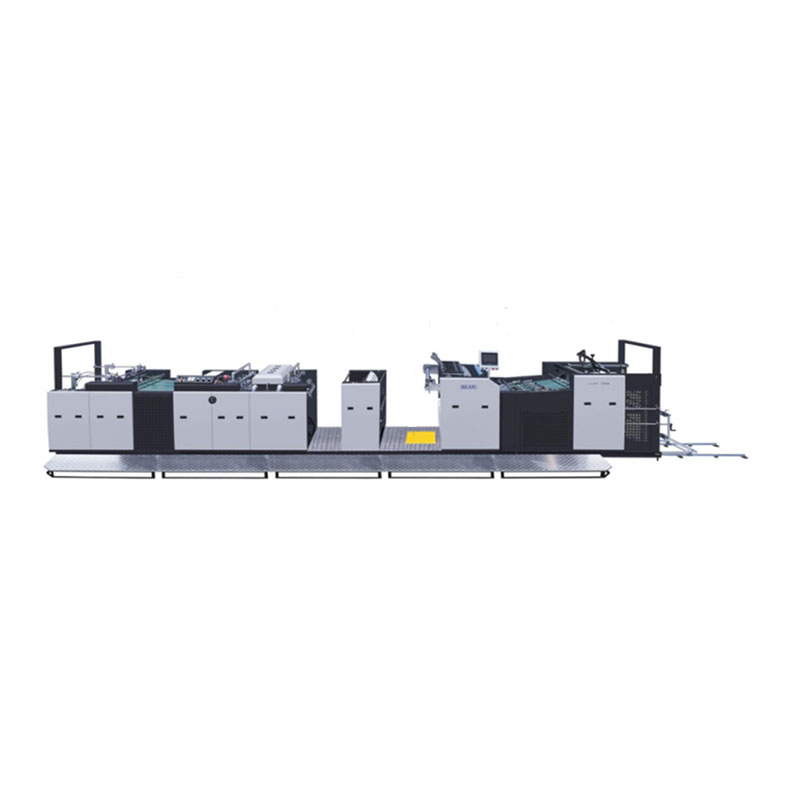
When I first started evaluating workflow upgrades in the print finishing process, I quickly realized how critical lamination efficiency is for both product quality and delivery speed. Over time, I noticed that many manufacturers, including Wenzhou Feihua Printing Machinery Co., Ltd., have gradually introduced more advanced solutions centered around the Automatic Laminating Machine. Instead of treating lamination as a simple finishing step, modern printing facilities increasingly view automation as a strategic investment that directly influences productivity, consistency, and profitability.
From my experience working with printing plants and packaging producers, the biggest challenge is balancing high output with stable quality. Manual or semi-automatic lamination systems often create bottlenecks, which is why the shift toward a fully integrated Automatic Laminating Machine has become a common upgrade path for companies looking to scale their production.
Why Does Lamination Become a Production Bottleneck in Many Print Facilities?
Many print companies assume that lamination is a straightforward process, but real production environments reveal several hidden difficulties. When I analyze common workflows, the same issues appear repeatedly:
- Inconsistent lamination quality caused by manual adjustments
- Slow feeding speeds that limit overall production capacity
- High labor requirements for alignment and monitoring
- Film waste due to inaccurate positioning
- Downtime caused by complicated machine setup
These operational problems are exactly why manufacturers have started adopting automated technology. A well-designed Automatic Laminating Machine eliminates many manual variables and allows operators to focus on production control rather than constant adjustments.
How Can an Automatic Laminating Machine Improve Production Efficiency?
From a production management perspective, automation does far more than simply increase speed. It creates stability across the entire finishing line. When I compare automated systems with traditional laminators, the advantages become clear.
| Production Factor | Traditional Laminator | Automatic Laminating Machine |
| Feeding Method | Manual or semi-manual | High-precision automatic feeder |
| Speed Stability | Operator dependent | Consistent high-speed operation |
| Film Alignment | Frequent manual corrections | Automatic positioning system |
| Labor Requirement | Multiple operators needed | Reduced workforce demand |
| Material Waste | Higher film loss | Optimized material usage |
By integrating automated feeding, pressure control, and temperature management, the Automatic Laminating Machine allows printing companies to run longer production cycles with minimal interruption.
What Product Advantages Should Buyers Look for When Choosing a Laminating Machine?
Whenever I help clients evaluate equipment options, I focus on features that directly influence real production performance. A reliable Automatic Laminating Machine should include several technical advantages that support both efficiency and durability.
- High-precision automatic paper feeding system
- Stable heating roller structure for consistent bonding
- Intelligent tension control for different film materials
- Quick setup design that reduces changeover time
- Energy-efficient heating technology for long production runs
Equipment developed by experienced manufacturers such as Wenzhou Feihua Printing Machinery Co., Ltd. typically incorporates these elements because they are essential for commercial printing environments where reliability is critical.
Why Are Packaging and Commercial Printing Companies Investing in Automation?
The demand for laminated products continues to grow across industries. From my observation of global printing markets, several trends are driving this investment in automation.
- Packaging brands require higher visual quality and durability
- E-commerce packaging demands faster production cycles
- Print service providers must shorten delivery timelines
- Labor costs are rising in many manufacturing regions
- Clients expect consistent results across large production volumes
Under these pressures, a modern Automatic Laminating Machine becomes more than just equipment. It becomes a key tool that allows printing companies to compete in a fast-moving market where efficiency and product quality must improve simultaneously.
How Does Automated Lamination Improve Product Quality?
Quality control is another major factor I always consider. Lamination defects such as bubbles, wrinkles, or uneven bonding can significantly reduce product value. Automated systems reduce these risks through controlled pressure and uniform temperature distribution.
When operating a well-designed Automatic Laminating Machine, the lamination process becomes highly repeatable. This consistency is especially important for premium packaging, book covers, advertising materials, and luxury printed products that require flawless finishing.
Is Upgrading to an Automatic Laminating Machine the Right Move for Your Production Line?
Every printing business eventually reaches a point where manual processes limit growth. In my experience, companies that invest in automation earlier gain a long-term advantage because they can accept larger orders and maintain stable product quality.
A reliable Automatic Laminating Machine helps reduce operational complexity while increasing output capacity. For printing companies aiming to improve finishing efficiency, reduce labor costs, and maintain consistent lamination results, upgrading equipment can be a practical step toward long-term competitiveness.
If you are currently evaluating lamination solutions or planning to upgrade your finishing equipment, I strongly recommend exploring modern automation technologies. Equipment developed by Wenzhou Feihua Printing Machinery Co., Ltd. demonstrates how an advanced Automatic Laminating Machine can support high-volume production while maintaining stable quality. If you would like to learn more about specifications, customization options, or pricing details, please feel free to contact us or send an inquiry today. Our team is always ready to discuss how the right lamination equipment can support your printing business growth.